
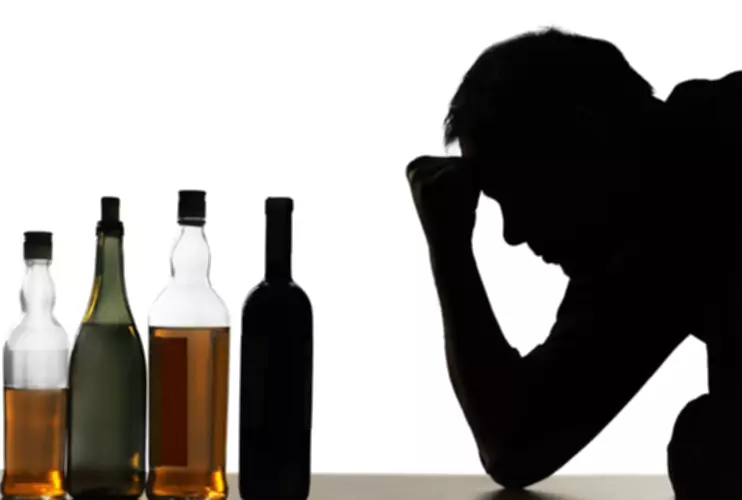
Modern Art therapy is constantly evolving, and digital media opens up a whole new world of creative possibilities. Engagement with tactile materials can serve as a grounding exercise, essential in moments of high anxiety or distress. It’s about the marijuana addiction relationship between hands, material, and the emotions that come to life as they intertwine. What matters is the act of creation and the personal insights you gain along the way. It’s common to lose track of time as you get immersed in the process, a phenomenon that allows for a temporary respite from the struggles of recovery.
- The study involved two independent reviewers (J. W., & B. Z.) implementing the search strategy to identify eligible studies and extract relevant data.
- Incorporating art therapy into your recovery is not about becoming an artist; it’s about finding a new means to express and understand your emotions, fostering a deeper healing process.
- It doesn’t need to make logical sense; the act of creating is itself a form of processing and release.
Identifying Characteristics of Top Alcohol Treatment Centers
Art therapy is a valuable and effective form of treatment for addiction, as it allows you to express your emotions healthily and creatively. It has many benefits, including providing an outlet for self-expression and helping with personal discovery. Understanding adolescents is a challenge at best, and the adolescent who is ill or suffering from psychological stress is an even greater conundrum. The physician treats the physical problem but often puzzles over where to find therapeutic treatment for this age group. In contrast, they come to art therapy without such preconceived ideas, and this form of therapy has proved effective with adolescents.
The Importance of Professional Help in Addiction Recovery
People with chemical dependencies who practiced the 12 Steps found this therapy to be beneficial in reinforcing the first step and the third step of the 12 Steps. There https://ecosoberhouse.com/ was less denial found in their addiction, noting that making collages seemed to help them. Substance use disorders (SUDs), also called drug and alcohol addiction, is the continued use of drugs or alcohol despite the substances’ harmful effects to the person.
How to Use Strengths-Based Approaches in Addiction Recovery
- In conclusion, while art therapy offers benefits in addiction treatment, it is most effective when used in conjunction with traditional therapies rather than as a replacement for them.
- The creative process allows individuals to externalize their emotions, organize their thoughts, and find a sense of empowerment through self-expression.
- Art as an expressive language provides an entrée into a relationship with teenagers by tapping into their creativity and offering a form of communication that is nonthreatening and over which the adolescent has control.
- By fostering a safe space for exploration, art therapy not only aids in healing but also enhances emotional resilience and self-discovery.
Each project is specifically chosen to meet the needs of the population of the group. Participants use a variety of materials and mediums—paint, collage, colored pencils, and sometimes clay. For example, if participants tend to be impulsive, Flora may choose colored pencils instead of markers because colored pencils require people to slow down and consider the process more. Explore yoga postures for healing and discover poses that aid recovery from addiction and promote well-being.
To illustrate, Henderson et al. examined the effects of mandala creation on PTSD symptoms in a small sample, reporting positive outcomes 49. In contrast, the larger-scale study by Gever et al. employed a more complex intervention design, integrating multiple therapeutic modalities 48. These discrepancies in approach likely contribute to the high I2 value observed in this subgroup.
Art therapy often involves group sessions in which individuals share a space and sometimes discuss their art and the feelings it evokes. With art therapy, the rate of relapse in recovering people with an addiction reduces significantly. For instance, warm colors like red and orange might represent the intensity of art therapy for addiction addiction or the passion for recovery.
This process can help uncover subconscious thoughts and feelings, providing valuable insights for recovery. Furthermore, studies underscore the importance of art therapy in enriching treatment outcomes. For example, findings reveal that individuals who participate in art therapy experience significant reductions in symptoms of depression and anxiety, promoting a more stable emotional state essential for recovery. Sometimes, emotions like grief, anger, guilt, shame, and hopelessness are too complex to put into words. So when you’re struggling to express yourself but still crave emotional release, art therapy can help.
- However, the effectiveness of this intervention in post-traumatic stress disorder (PTSD) treatment has not yet been definitively established through meta-analysis.
- The interactive nature of drama therapy encourages participants to express themselves creatively, fostering a safe space for emotional release and self-discovery.
- In the context of addiction recovery, creating mandalas can provide a calming, focused activity that promotes mindfulness and introspection.
The circular designs of mandalas symbolize wholeness and unity, offering a meditative practice that can help individuals center themselves and find inner peace. In cases of addictions or obsessions and compulsions, participants can heal through doing healthy repetitive activity with a healthy focus like meditation to find peace or joy. Lastly, participants can feel empowered by being in control of emotions and their connection to trauma. This allows them to feel pride in making something meaningful and creating a different connection with their trauma or pain.
- The relatively small sample sizes and varying intensity of interventions across studies may have contributed to this result.
- One of the most wonderful aspects of painting therapy is its lack of prerequisite skill.
- On the other hand, programs that utilized Contingency Management (CM) techniques were more inclined to incorporate music therapy into their treatment plans 4.
- As individuals are on the road to recovery, they may have a lot of gratitude toward others who have helped them get to where they are today.
- These stages of adolescent development are normal, but they work against the traditional forms of verbal therapy.
This serves as a call to action for greater integration of art therapy into broader mental health care frameworks, recognizing its potential in enhancing emotional well-being. Art therapy helps in preventing relapse by providing a positive coping mechanism. Art therapy offers a non-verbal language for expressing complex or painful feelings that may be too difficult to articulate. An ever-growing body of research stands proof to the effectiveness of art therapy in addiction recovery. Group sessions using art therapy establish a sense of community and mutual support. According to Haeyen 2018, ‘Group Art Therapy in Addiction Recovery,’ group art therapy fosters community and mutual support, essential for addiction recovery.
Recent Comments